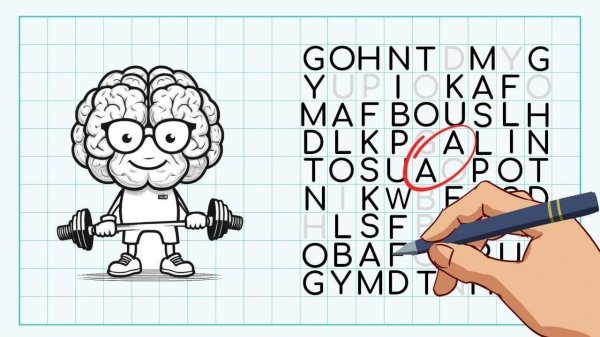
Letter Grid Word Builder stands out for its gentle difficulty curve and dual mechanics of word building and tile matching. The absence of timers makes it ideal for relaxed play, while the increasing board complexity keeps regular players engaged. Visual feedback is clear, and the ability to play offline adds convenience. It is a well-crafted puzzle that respects the player's time and pace.
Players start each round by scanning a grid filled with letter tiles. The main objective is to select adjacent tiles that spell out valid English words. When a correct word is formed, those tiles vanish, and the remaining tiles shift downward, creating new arrangements. An alternative method for clearing tiles is to match groups of identical letters. This dual approach keeps the board dynamic and encourages players to think flexibly. Each cleared set of tiles can cause a cascade, where falling tiles create fresh opportunities for word building or matching. The game provides clear visual feedback when a word is accepted, helping players learn and refine their vocabulary over time.
The game is designed to be accessible from the very first round. Early boards are small and simple, allowing newcomers to grasp the mechanics without pressure. As players progress, the grid expands and the letter combinations become more challenging. This gradual increase in complexity ensures that the experience remains engaging without becoming frustrating. There are no countdown timers or score penalties for slow play, so each person can proceed at their own comfortable speed. The difficulty ramps up by introducing larger boards and more varied letter distributions, requiring deeper planning and pattern recognition.
The interface features bright, clear tiles with distinct colors that make letters easy to read. The overall aesthetic is cheerful and uncluttered, which helps maintain focus during longer sessions. Subtle animations accompany tile movements and word confirmations, adding a layer of polish without being distracting. The background remains calm and neutral, letting the puzzle elements stand out. This visual design supports the game's goal of providing a relaxing yet mentally stimulating activity. Players can enjoy the clean look whether they are playing for a few minutes or an extended period.
One of the strengths of this puzzle is its adaptability to different schedules. A single round can be completed in a short time, making it suitable for quick breaks. Alternatively, players can continue through multiple boards during a longer session. The game saves progress automatically, so there is no need to finish a board in one sitting. This flexibility makes it a convenient choice for busy individuals who want a constructive way to unwind. The lack of any time-based pressure means that players can pause and resume without losing their train of thought.
Experienced players often develop strategies to maximize tile clears. Forming short common words is a reliable way to create space and trigger cascades. When word formation becomes difficult, focusing on matching identical tiles can help keep the board manageable. Planning two or three moves ahead allows players to set up chain reactions that clear large sections at once. Regular practice naturally improves both vocabulary and pattern recognition. The game rewards patience and careful observation, as scanning the entire board before acting often reveals hidden opportunities.











Comments
0 comments