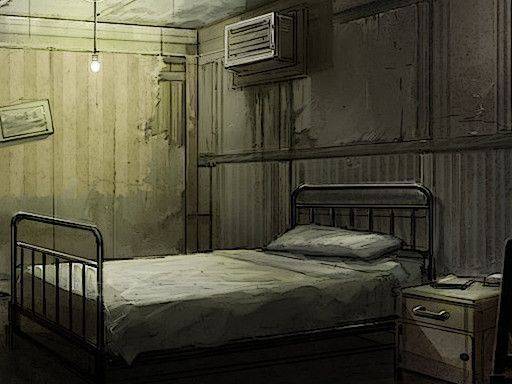
Mansion Exit Logic Puzzle stands out by making patience a core mechanic rather than a side requirement. The shifting room layouts keep each attempt fresh, and the caretaker's patrol creates genuine tension without crossing into frightening territory. Clues are cleverly integrated into the environment, rewarding players who pay attention to details. The family-friendly design ensures that younger players can participate without being overwhelmed, while the increasing complexity offers enough depth for adults. It is a well-crafted example of how puzzle games can be both relaxing and mentally engaging.
The game places players inside a large, dimly lit mansion filled with antique furniture and creaking floors. Each room contains clues and items that help piece together the path to freedom. The atmosphere is tense but not frightening, designed to keep players focused on observation rather than fear. Soft ambient sounds and subtle visual cues guide attention without overwhelming the senses. This setting encourages a methodical approach, as every corner may hold a useful object or a hidden passage.
Players must search each room for the exit key while interpreting environmental hints. Some clues are written notes, others are patterns in the decor or arrangements of objects. The puzzles require logical thinking rather than speed, allowing players to take their time connecting information. Items found in one room may be needed in another, promoting thorough exploration. The challenge lies in understanding how each piece fits into the larger goal of unlocking the front door.
Moving through the mansion requires careful attention to sound and sight. The caretaker follows a patrol path, and players must watch for visual signals like shadows or moving doors. Quiet movement is essential, as running or bumping into objects creates noise that alerts the caretaker. Hiding spots behind furniture or in alcoves provide temporary safety. Timing each move between patrol cycles becomes a key skill, turning the mansion into a living puzzle of movement.
After each successful escape, the mansion rearranges its rooms and patrol patterns. New layouts introduce different room connections and obstacle placements, preventing repetition. The difficulty gradually increases as more rooms and more complex clue chains appear. This progression keeps the experience fresh for returning players while maintaining a fair learning curve. Each attempt builds familiarity with the mansion's logic, making later escapes feel earned rather than random.
The game avoids frightening imagery or intense situations, focusing instead on intellectual challenge. The caretaker is presented as a neutral obstacle rather than a threatening figure. Colorful visual elements and a calm color palette maintain a welcoming tone. Clear objectives and simple controls make it accessible to younger players, while the strategic depth appeals to adults. This balance allows family members of different ages to play together and discuss solutions.












Comments
0 comments