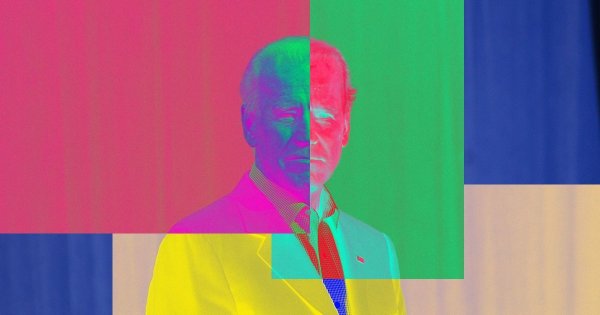
With the 2020 presidential race underway, a new survey shows that not a single campaign has a strategy to counter deepfakes — the AI-generated videos that can make public figures appear to say or do things they never did. The findings, reported by Axios, come just weeks after a manipulated video of House Speaker Nancy Pelosi spread widely on Facebook, raising alarms about the vulnerability of the electoral process.
Axios reached out to all declared presidential candidates, but only nine Democrats and the Trump campaign responded. None of them had a deepfake contingency plan. Most argued that the responsibility should fall elsewhere — on the Democratic National Committee, the FBI, or the media. This deflection persists even as the U.S. government invests heavily in countering deepfakes and China considers an outright ban on the technology.
Why the Threat Is Taken Seriously
Deepfakes are not a hypothetical risk. The technology to create realistic fake videos is widely accessible, and experts have warned for years that such media could undermine public trust in objective reporting. The national security implications are significant enough that major governments have prioritized countermeasures. Yet, the survey suggests that political operatives remain unprepared for the potential fallout.
Hany Farid, a digital forensics expert at the University of California, Berkeley, told Axios that campaigns must have a strategy in place for dealing with this threat. His comments underscore a growing consensus among technologists and policymakers that the 2020 election could be a testing ground for manipulated media.
The Pelosi video, which was slowed down to make her appear intoxicated, demonstrated how quickly altered content can go viral. It was viewed millions of times before Facebook added a fact-check label, and it highlighted the difficulty of stopping the spread of such material once it enters the public sphere.
Campaigns’ Reluctance to Act
The Axios report indicates that even after the Pelosi incident, campaigns did not change their approach. Anonymous experts who met with various presidential campaigns said the candidates still did not seem to grasp the seriousness of the problem. This disconnect between the threat level and the response is a concern for election integrity experts.
The lack of preparedness is not limited to one party. The Trump campaign, which responded to Axios, also had no deepfake plan. This bipartisan gap suggests a systemic failure to adapt to new technologies that could be exploited to spread disinformation.
As the election cycle progresses, the absence of contingency plans leaves a critical gap. The media, the FBI, and political parties are all potential backstops, but without a coordinated strategy, the burden may fall on voters to discern what is real and what is fabricated.
The Axios report serves as a wake-up call for campaigns and the public alike. With deepfake technology becoming more accessible, the 2020 election may be the first to face this challenge head-on. Whether campaigns will rise to the occasion remains to be seen, but the current evidence suggests they are not ready.
Comments
Sign in to leave a comment
No account? Create one
No comments yet.