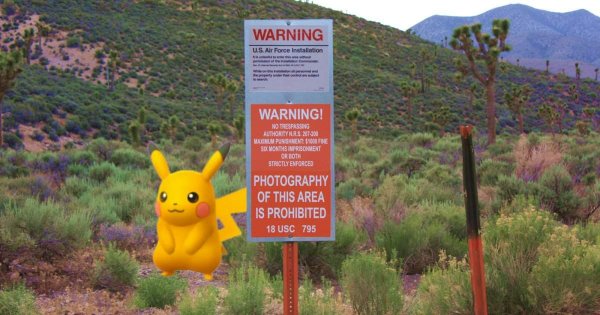
Within days of Pokémon Go's July 2016 launch, players began wandering onto Canadian military property in pursuit of virtual creatures and landmarks, according to hundreds of pages of documents obtained by CBC News. The cache reveals a military caught off guard by an unfamiliar adversary, with internal emails showing officers struggling to understand the game even as players appeared on bases.
Maj. Jeff Monaghan of Canadian Forces Base Kingston wrote to colleagues about activity at Fort Frontenac, which the game had designated as both a PokéGym and a PokéStop. "Plse advise the Commissionaires that apparently Fort Frontenac is both a PokeGym and a PokeStop," he wrote. "I will be completely honest in that I have not [sic] idea what that is."
At CFB Borden, security expert David Levenick offered a more detailed but equally puzzled assessment. "The game's premise seems to be going to the 'PokeStops/Gyms' to collect 'Pokemon's' (we should almost hire a 12-year-old to help us out with this)," he wrote in another message.
Not every officer viewed the influx as a problem. Maj. Alicia Saucier saw a potential upside for CFB Petawawa's Garrison Museum, which had become a PokéStop. "Maybe some extra people will visit the museum!" she wrote in a document about players flocking to the site.
The documents illustrate how a commercial augmented-reality game created unexpected security and public-relations challenges for the Canadian Forces, which had no prior framework for addressing civilian players drawn to military installations by digital incentives. The emails also show a military relying on informal humor and guesswork rather than formal guidance as bases adjusted to the new reality.
CBC News reported that the released documents detail the military's efforts to overcome the unexpected intrusion, though the source material does not indicate whether any formal policy changes followed or whether trespassing incidents resulted in enforcement action. The long-term impact on base security protocols remains unclear from the released records.
Editorial Notes