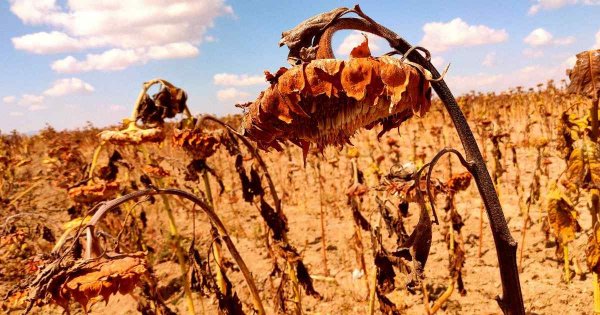
The contiguous United States averaged 76.89 degrees Fahrenheit in July, a national record that exceeds the July 1936 mark set during the Dust Bowl, according to the National Oceanic and Atmospheric Administration. Every one of the 48 lower states ran at least one degree Fahrenheit above the 20th century average, the source reports.
The comparison carries weight because the 1936 Dust Bowl was itself an environmental and agricultural disaster defined by devastating dust storms and a mass migration from the center of the country. Yale Climate Connections meteorologist Jeff Masters told the Associated Press that breaking those records signals serious risk, noting the Dust Bowl was "a cataclysmic event in US history." "If we're exceeding records from the Dust Bowl, that says that we're in deep trouble," Masters said.
What Is Driving the Heat
According to the source, the record stems from a strong El Niño — a naturally occurring weather pattern — compounding the effects of human-caused climate change. The Dust Bowl, by contrast, resulted from a mix of natural and human-made factors. The heat in the 1930s was concentrated in the Midwest; this July's excessive heat covered all 48 lower states.
Drought conditions have intensified alongside the heat. The source cites Yale Climate Connections in reporting the second-worst July drought conditions on record for the contiguous US, and the US Drought Monitor in reporting that 71 percent of the contiguous US experienced abnormal dryness or drought during the first week of August. Those conditions follow billions of dollars in direct damages during the first half of 2026, according to the source.
Wildfires and Policy Tensions
Major wildfires continue to burn across both the United States and Canada, exposing millions of people to dangerous air pollution. The source, citing The Economist, reports an estimated 4,000 premature deaths across the continent within a single week last month.
The source also notes that the Trump administration is closely aligned with the fossil fuel industry and is actively seeking to reopen coal-burning plants, while AI data centers powered by gas generators are adding to greenhouse gas emissions. Masters told the AP that addressing the trend requires stopping the burning of so many fossil fuels and spending money to adapt to the changed climate. He also warned that "this may be one of the coolest years we're gonna experience for the rest of our lives."
Editorial Notes