In Cambridge, Massachusetts, a pre-1940s house is being transformed into a structure that could generate more energy than it consumes, a project led by the Harvard Center for Green Buildings and Cities (CGBC). The initiative, known as HouseZero, aims to demonstrate that even aging buildings can be retrofitted to meet rigorous energy standards, offering a model for sustainable construction in existing urban settings.
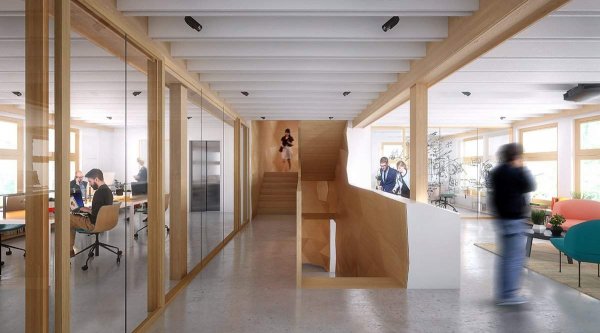
The project began as a practical need: the CGBC required a new headquarters. Instead of constructing a new building, the center chose to retrofit a house it already owned, turning a potential liability into an opportunity to showcase green design. The house, located in Cambridge, is being equipped with a range of technologies and design strategies that maximize natural light, adapt to local weather, and optimize energy use, all while maintaining the structure's historic character.
[IMG_1]
According to the CGBC, HouseZero will achieve the most rigorous efficiency standards of any building retrofit to date. The design integrates smart systems that respond to environmental conditions, such as automated windows and a geothermal heating and cooling system, which work together to reduce energy demand. The building is also designed to produce energy on-site, with the goal of achieving net-positive energy consumption over time.
The significance of HouseZero extends beyond its own walls. By retrofitting an existing structure rather than building anew, the project addresses a critical challenge in urban sustainability: the vast majority of buildings that will exist in 2050 have already been built. Retrofitting these structures is essential to meeting climate goals, and HouseZero provides a proof-of-concept that such transformations are feasible.
Why Retrofitting Matters
Retrofitting existing buildings is often more complex and costly than new construction, but it offers substantial environmental benefits. It reduces the need for new materials, preserves cultural heritage, and lowers the carbon footprint associated with demolition and rebuilding. HouseZero is designed to be a living laboratory, with sensors and data collection systems that will provide insights into how buildings can be optimized for energy efficiency in real-world conditions.
The project also emphasizes the importance of design in achieving sustainability. By carefully considering the building's orientation, window placement, and insulation, the CGBC aims to create a space that is comfortable and functional while minimizing energy use. The use of green materials and emerging technologies is central to this approach, but the project's success lies in their integration.
[IMG_2]
HouseZero is not just about the building itself; it is about setting an example. The CGBC hopes that the project will inspire other institutions and homeowners to consider retrofitting as a viable path to sustainability. By demonstrating that an old house can be transformed into a model of efficiency, HouseZero challenges the notion that green building is only possible with new construction.
While the project is still in its early stages, its potential impact is clear. If successful, HouseZero could serve as a template for retrofitting projects worldwide, helping to reduce the environmental footprint of the existing building stock. The project is a testament to the power of innovation and the importance of rethinking how we use the spaces we already have.
Comments
Sign in to leave a comment
No account? Create one
No comments yet.