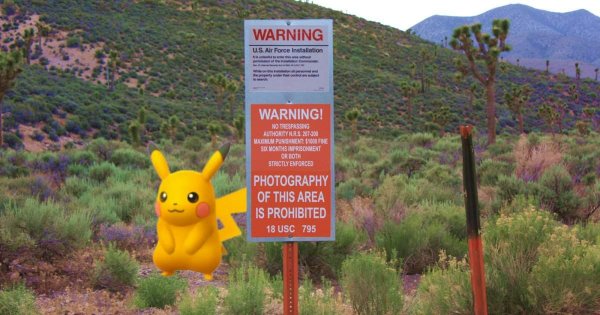
In July 2016, the release of Pokémon Go triggered a wave of trespassing onto Canadian military installations, a situation that caught the Department of National Defence off guard, according to hundreds of pages of internal documents obtained by CBC News. The documents, which span several weeks after the game's launch, show base officials grappling with a phenomenon they barely understood, as players roamed onto restricted land in search of virtual creatures and landmarks.
The internal correspondence is rife with signs of confusion. Maj. Jeff Monaghan of Canadian Forces Base (CFB) Kingston sent an email pleading for guidance on how to handle the situation, writing, "Plse advise the Commissionaires that apparently Fort Frontenac is both a PokeGym and a PokeStop." He added, "I will be completely honest in that I have not [sic] idea what that is." The typo-laden message underscores the military's lack of familiarity with the augmented reality game.
At CFB Borden, security expert David Levenick echoed the sentiment in a separate email, noting, "The game's premise seems to be going to the 'PokeStops/Gyms' to collect 'Pokemon's' (we should almost hire a 12-year-old to help us out with this)." His remark, captured in the documents, reflects the broader challenge of adapting to a digital pastime that had no precedent in military protocol.
Despite the confusion, some officials found a positive angle. Maj. Alicia Saucier, in a document discussing players gathering at a Pokestop at CFB Petawawa's Garrison Museum, wrote, "Maybe some extra people will visit the museum!" Her comment suggests a rare moment of optimism amid the security concerns.
Security vs. Public Engagement
The documents, released under access-to-information requests, detail how the military struggled to balance the need for base security with the public's enthusiasm for the game. While no injuries or security breaches were reported in the documents, the influx of players prompted discussions about how to manage access without escalating tensions. The Canadian Forces eventually issued guidance to personnel, but the initial response was marked by improvisation.
The episode highlights the broader societal impact of Pokémon Go, which encouraged players to explore real-world locations, sometimes with unintended consequences. For the military, the challenge was novel: how to deter trespassers while avoiding public backlash against a popular game.
In the years since, the military has not publicly disclosed similar incidents, but the documents serve as a reminder of how quickly a mobile app can disrupt established routines. The Canadian Armed Forces have since updated their security protocols, though the specifics remain classified.
The full cache of documents, including the typo-laden emails, was first reported by CBC News, which continues to investigate the military's handling of the 2016 Pokémon Go surge.
Comments
Sign in to leave a comment
No account? Create one
No comments yet.