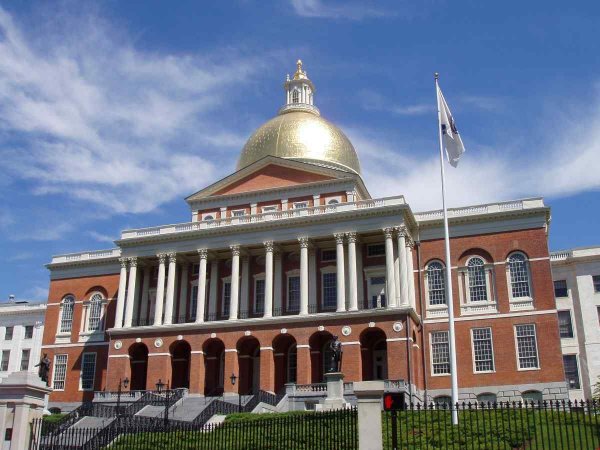
BOSTON — A new legislative push in Massachusetts would compel the state to derive all of its electricity from renewable sources by 2035, a faster timeline than many other states have adopted. The bill, filed by three Democratic lawmakers, also sets a broader goal of eliminating fossil fuels across the economy by mid-century.
Senate Bill 1932, titled the 100 Percent Renewable Energy Act, was introduced by Rep. Sean Garballey, Rep. Marjorie Decker, and Sen. Jamie Eldridge. It would amend the state's existing Global Warming Solutions Act, which already requires an 80 percent reduction in greenhouse gas emissions from 1990 levels by 2050. The new measure goes further, aiming for a complete transition to clean energy in the next few decades.
Under the proposal, Massachusetts would increase its renewable portfolio standard — the policy that obligates utilities to buy a minimum share of their electricity from renewable generators — to 100 percent by 2035. The state currently mandates 1,600 megawatts of offshore wind capacity and is exploring energy storage targets. The bill also extends its reach to the heating and transportation sectors, which together account for a significant portion of the state's carbon footprint.
Supporters frame the legislation as both an environmental and economic measure. Garballey said in a statement that the bill “provides a bold step by placing the Commonwealth on a path to a cleaner and more sustainable future,” adding that it would encourage job creation, protect natural resources, and reduce the state's carbon footprint. The bill includes a provision to establish a council for clean energy workforce development, tasked with identifying employment potential in the energy efficiency and renewable energy industries and recommending policies to promote job growth and worker training.
The timing is notable. With the federal administration under President Donald Trump signaling support for fossil fuel expansion, the Massachusetts bill is partly a political statement. Ben Hellerstein, state director for Environment Massachusetts, said the legislation “sends a clear message to officials in DC: Massachusetts is determined to keep moving forward on clean energy.”
The push aligns with broader market trends. Renewables have become increasingly cost-competitive with fossil fuels, and a U.S. Department of Energy report released earlier this year found that the solar industry alone supported 374,000 jobs from 2015 to 2016 — more than the entire fossil fuel sector combined. That data underpins the bill's emphasis on workforce development.
What the Bill Would Change
If enacted, SD.1932 would set a binding target for 100 percent renewable electricity by 2035, a timeline that puts Massachusetts among the most aggressive states in the nation. It would also require a complete phase-out of fossil fuels in heating and transportation by 2050, a move that would reshape how residents and businesses consume energy.
The bill's sponsors argue that such a transition is both feasible and necessary. They point to the declining cost of renewables and the job growth already seen in the sector. The proposed workforce council would study the skills needed for clean energy jobs and recommend policies to ensure that Massachusetts workers are prepared for the shift.
While the bill faces an uncertain path through the legislature, its introduction reflects a growing determination among state leaders to act on climate change regardless of federal policy. As Garballey put it, the legislation “signals to the country our commitment to long-term solutions in meeting the very real challenges of climate change, and lights the way for similar efforts across the nation.”
Massachusetts is not alone in this pursuit. Several other states have adopted or proposed aggressive decarbonization goals, but the 2035 target for renewable electricity would place the Commonwealth at the forefront of that movement.
Comments
Sign in to leave a comment
No account? Create one
No comments yet.