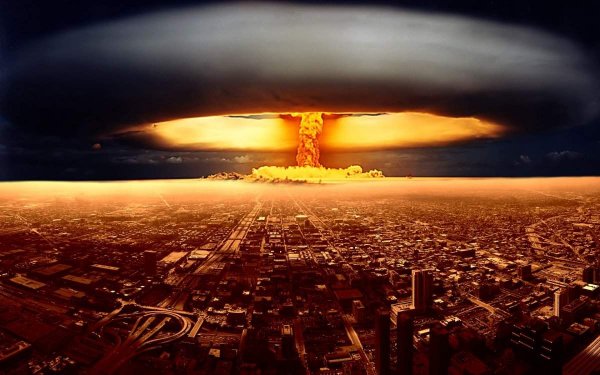
The atomic bombings of Hiroshima and Nagasaki in August 1945 remain the only wartime use of nuclear weapons, killing an estimated 200,000 people in Japan by the end of 1945. Today, the global stockpile of nuclear warheads stands at over 12,000, with the United States and Russia holding the vast majority. The United Nations has long classified nuclear arms as “the most dangerous weapon on Earth,” a designation that underscores the catastrophic potential of these devices.
On August 6, 1945, at approximately 8:15 a.m., a U.S. B-29 bomber dropped an atomic bomb on Hiroshima. The immediate blast killed around 80,000 people, and in the following years, radiation sickness claimed many more lives. The long-term toll, including those who died from radiation-related illnesses, is estimated to exceed 200,000. This historical event serves as a stark reminder of the human cost of nuclear warfare and the urgency of disarmament efforts.
Since then, the world has seen a dramatic buildup and subsequent reduction of nuclear arsenals. At the height of the Cold War, the United States possessed over 31,000 warheads, while the Soviet Union had around 40,000. Today, the U.S. stockpile is approximately 3,700 warheads, with about 1,700 deployed. Russia maintains a similar number. Despite these reductions, the threat of nuclear conflict persists, as modern weapons are far more powerful than those used in 1945.
Why Disarmament Remains a Pressing Issue
The continued existence of nuclear weapons poses an existential risk. A single modern warhead can be hundreds of times more powerful than the bomb that destroyed Hiroshima. The environmental and humanitarian consequences of a nuclear exchange would be catastrophic, affecting global climate and agriculture. The United Nations and various international treaties, such as the Treaty on the Non-Proliferation of Nuclear Weapons (NPT), aim to prevent the spread of nuclear weapons and promote disarmament. However, progress has been slow, and recent geopolitical tensions have raised concerns about a new arms race.
The U.S. has engaged in bilateral arms control agreements with Russia, such as the New START treaty, which limits the number of deployed strategic nuclear warheads. Yet, these agreements are set to expire, and negotiations for a successor have been stalled. Meanwhile, other nations, including China, are modernizing their nuclear forces, adding to the complexity of global disarmament efforts.
The Path Forward
Disarmament is not merely a matter of policy but a moral imperative, as the legacy of Hiroshima and Nagasaki demonstrates. The international community must renew its commitment to nuclear non-proliferation and disarmament, ensuring that such weapons are never used again. While the road ahead is challenging, the alternative is unthinkable. The world must choose between a future of nuclear peril or one of peace and security.
As we reflect on the past, the question remains: How far have we come since 1945? The answer is complex, but the need for action is clear. The time to act is now, to prevent a repeat of history's darkest hour.
Comments
Sign in to leave a comment
No account? Create one
No comments yet.